

Serengeti National Park
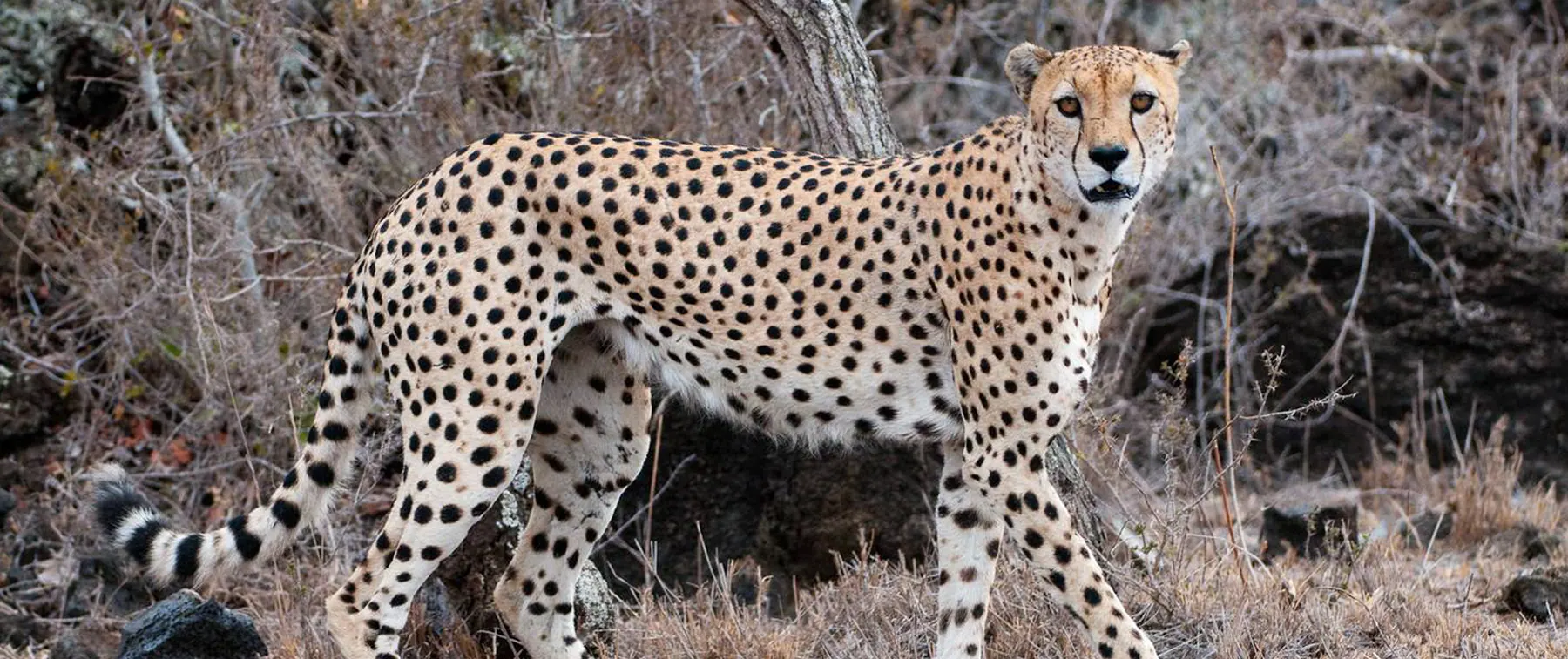
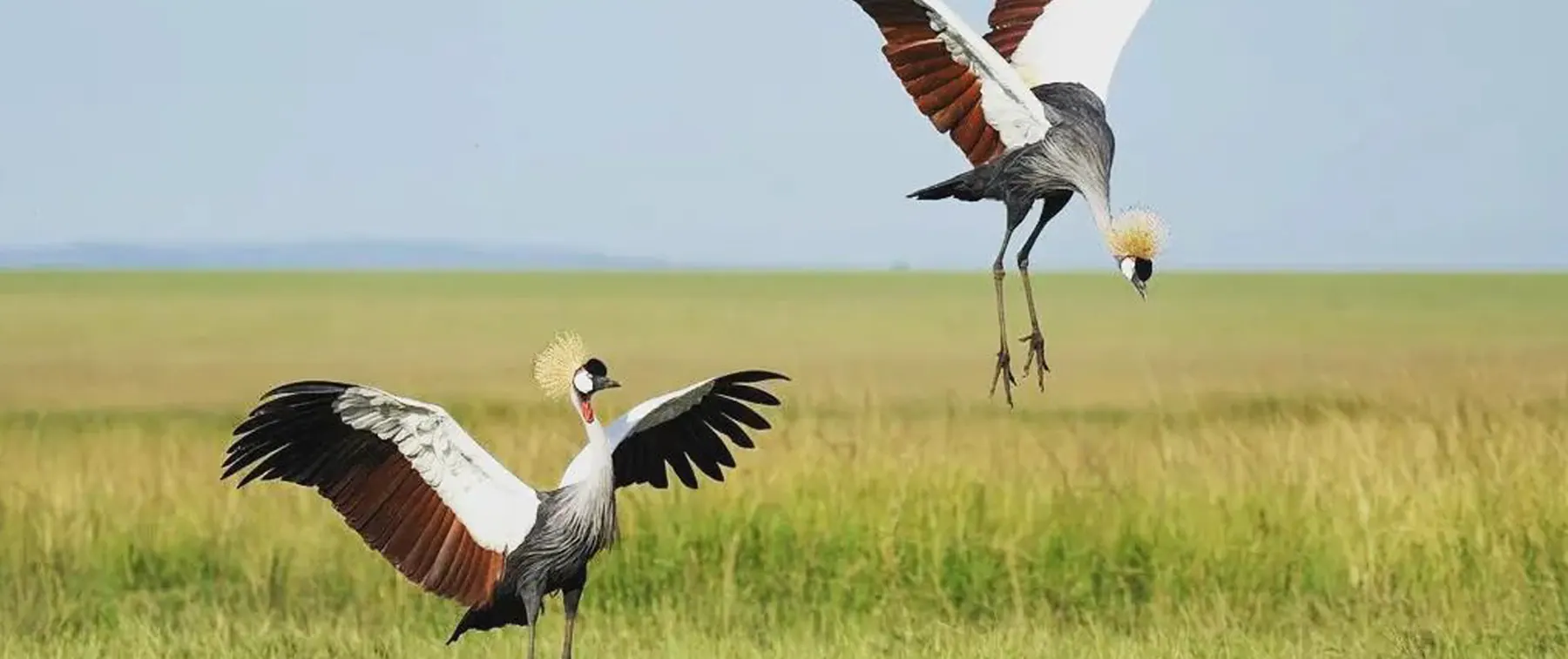
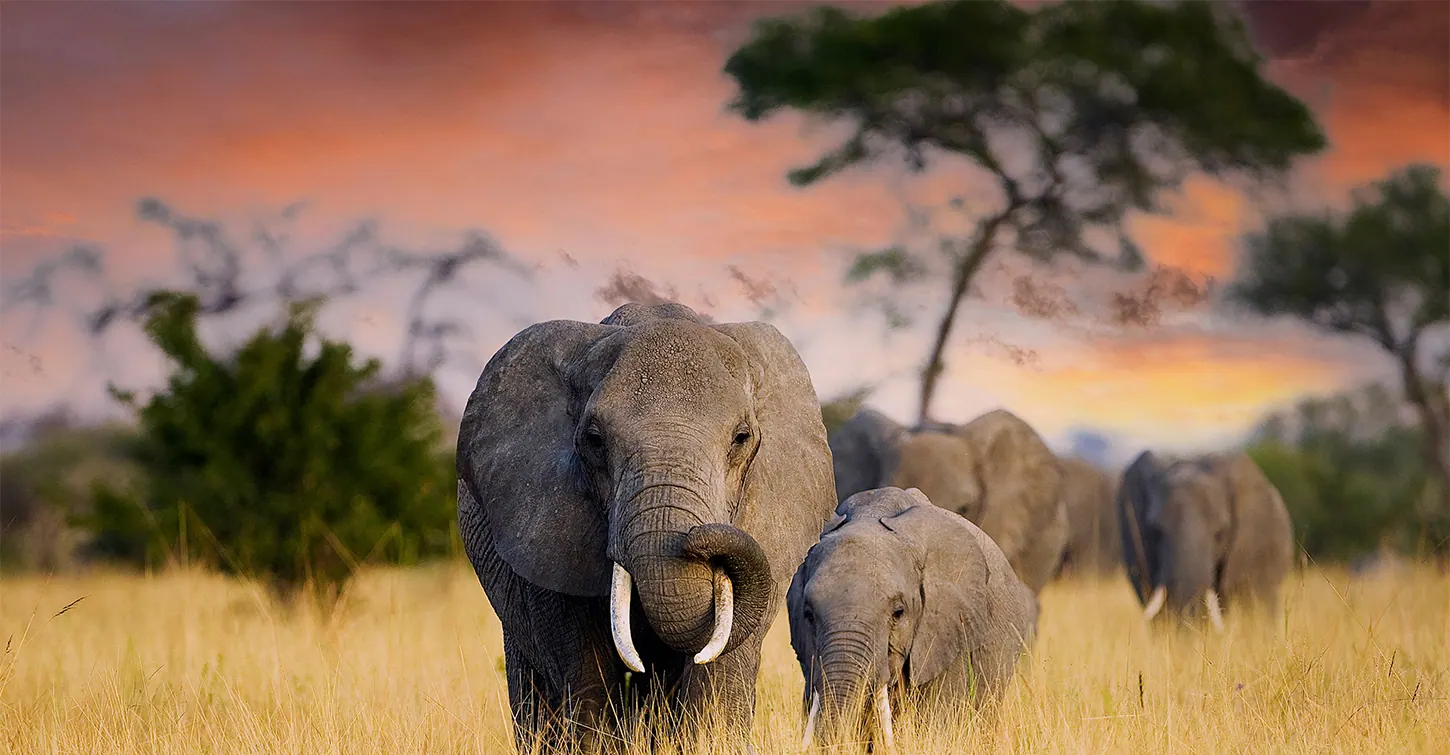
The Serengeti is Tanzania’s best-known safari landscape, covering a vast ecosystem of open plains, acacia woodland, river valleys and granite kopjes. Its scale means the safari experience changes considerably between central, southern, western and northern regions.
Central Serengeti is valuable throughout the year because permanent water and varied habitat support resident wildlife. Seasonal migration planning may take travelers toward Ndutu and the southern plains in the early part of the year, the western corridor around the middle of the year, and northern Serengeti later in the dry season. Rainfall determines the exact movement, so no fixed date can guarantee a herd location or river crossing.
Planning a Visit
Serengeti deserves time. Two or more nights usually provide a better experience than a rushed transit because game drives can respond to wildlife activity rather than a fixed road schedule. Airstrip access can reduce driving time on longer itineraries, while road routes connect naturally with Ngorongoro.
Safari planning should consider lodge location as carefully as accommodation category. A well-positioned camp can reduce daily transfer time and increase useful wildlife-viewing hours. Ruhala Tours can match the Serengeti region to the travel month and combine it with Ngorongoro, Tarangire or Zanzibar.
Practical Notes
- Final travel times depend on road, flight and park operating conditions.
- Wildlife and weather are natural and cannot be guaranteed.
- Accommodation should be selected by location as well as comfort level.
- Ruhala Tours can combine this destination with other Tanzania regions when the total itinerary remains practical.

 WhatsApp